


Kampala Uganda, October 25, 2026 — The Ministry of Health has officially announced that Uganda remains completely free of Ebola, with zero active confirmed cases or deaths recorded nationwide.

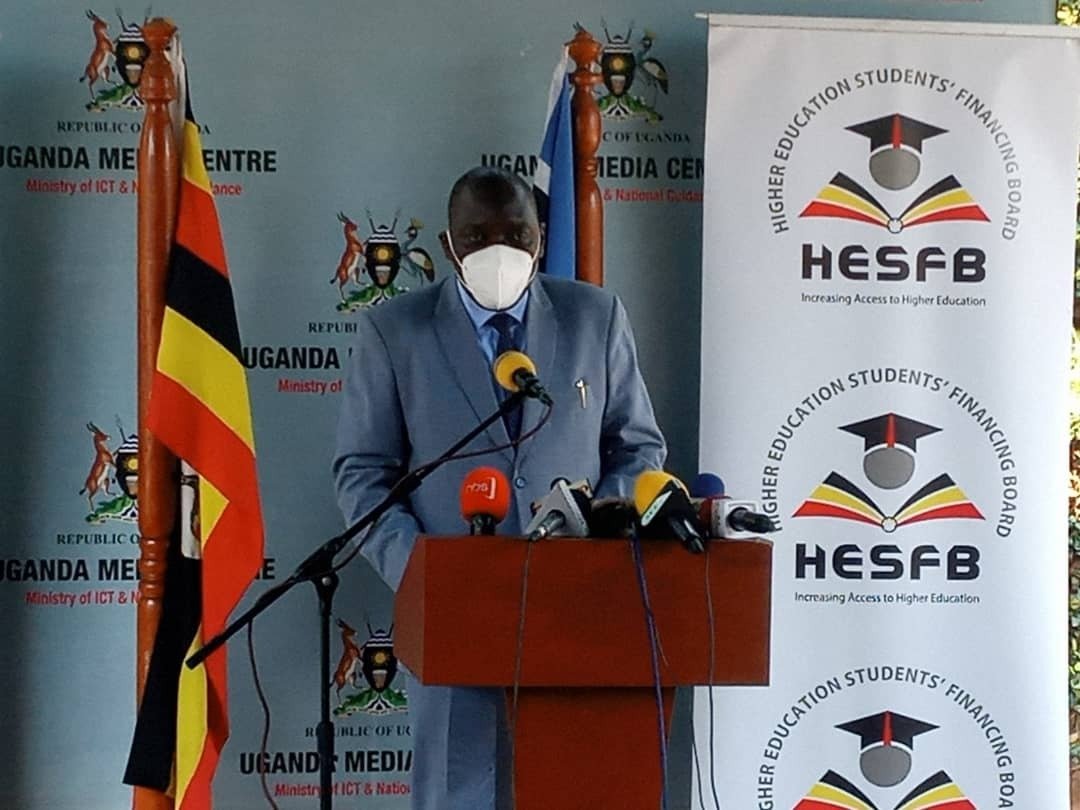
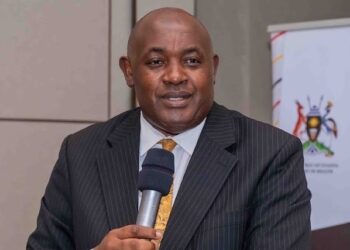
Addressing the press on national Ebola preparedness and response efforts, the Minister of Health, Hon. Dr. Chris Baryomunsi, confirmed that all 60 contacts linked to a recent Ebola Virus Disease (EVD) case involving a Kenyan traveller have successfully completed their mandatory 21-day follow-up period and have been discharged.
Successful Contact Tracing and Discharge
The monitored individuals included personnel at points of entry and exit, hotel staff, and transport operators who crossed paths with the traveller. According to the Ministry, none of the 60 traced contacts developed any signs or symptoms consistent with the disease throughout the 21-day monitoring window.
Meanwhile, detailed international investigations are still underway regarding a separate Nigerian Ebola case, looking closely at genomic sequencing findings and travel details in collaboration with Nigerian health authorities and international agencies. The Ministry also reiterated that the Kasese district has no confirmed Ebola cases and has registered zero deaths.
Strict Border Controls and National Surveillance
Although local transmission of the Bundibugyo virus strain—which sparked an outbreak on May 15, 2026, and was successfully declared over on July 28, 2026—was swiftly interrupted, Uganda maintains high alert status due to ongoing transmission in the neighboring Democratic Republic of Congo (DRC).
To safeguard public health, the Ministry has rolled out stringent containment and preventative measures:
Passenger Locator Forms & Screening: Mandatory screening is enforced at Entebbe International Airport, land borders, and road checkpoints, with all travellers required to complete Passenger Locator Forms. Diplomats and UN personnel are not exempt.
Sanitation Protocols: Enhanced sanitation measures are in place at Entebbe International Airport, including mandatory baggage tray disinfection and strict hand hygiene protocols during passport handling.
Travel Restrictions & Quarantine: Anyone linked to an active case faces placement on a “no-fly” list, and suspected cases are moved to designated holding units for laboratory testing. Non-essential DRC nationals entering Uganda will be returned at their own cost, while returning Ugandans with a travel history to the DRC must undergo a mandatory 21-day quarantine at their own expense.
Strict Enforcement: The government warned that individuals who evade screening, conceal public health information, or breach quarantine will face strict enforcement action, including potential prosecution under the Public Health Act.
Expanding Regional Support and Treatment in the DRC
Emphasizing that “no country can consider itself beyond risk while transmission continues elsewhere,” Uganda has taken a proactive frontline approach by deploying medical resources directly into the DRC.
Ugandan health teams are stationed across regions like Aru, Kasenyi, and Butembo, establishing robust treatment capacity to curb the virus at its source:
Treatment Beds: Three treatment units have been established in the DRC caring for 127 confirmed patients, boasting significantly lower fatality rates (ranging between 15% and 17.7%) compared to the wider DRC national average of 48.2%. A fourth unit in Bulongo is scheduled to become operational.
Rapid Mobile Laboratories: Mobile labs have drastically cut result turnaround times from 4–5 days down to 4–6 hours, providing a daily capacity of up to 2,200 tests.
Local Capacity Building: Over 120 Ugandan medical personnel have been deployed, and training has been extended to 748 Congolese health workers across 150 facilities to ensure lasting infection control capabilities.
Beyond the DRC, Uganda has signed a Memorandum of Understanding with South Sudan, deployed technical teams to the Central African Republic, and partnered with Rwanda to bolster regional health security.
Call to Action
The Ministry urges the public, travellers, and regional communities to remain vigilant, practice regular hand hygiene, and cooperate fully with health screening personnel.
For more information or to report alerts, the public can reach the Ministry of Health hotline at 0800-100-066, send an alert SMS to 6767, or use U-Report on 8500.