


KAMPALA, UGANDA: 18 November 2026— Civil society leaders have launched a new digital civic engagement platform aimed at bridging the communication divide between Ugandan citizens and their elected representatives, including Members of Parliament.

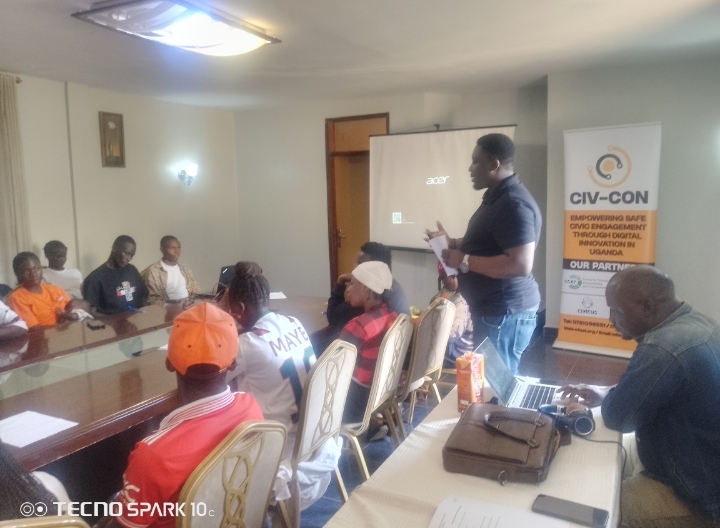
The innovation, dubbed CIV-CON, was introduced on Wednesday, November 18, 2026, during a youth sensitization workshop in Banda, Nakawa Division, organized by the Center for Climate Accountability and Transportation (CCAT).
Designed as an accessible web-based application, CIV-CON enables citizens to initiate transparent conversations with local leaders regarding social services, infrastructure, healthcare, and economic issues. Users can join district-based community groups, receive verified reports on local development projects, and directly tag leaders—who are issued verified badges alongside journalists to ensure authentic communication—for timely accountability.
Speaking at the engagement, CIV-CON project lead, Kizza Ronald, noted that persistent communication breakdowns occur when elected officials fail to return to their constituencies after elections.
”There has been a major gap between citizens and local leaders especially members of Parliament, with many not returning to their constituents,” Kizza said. “This technology is built to close that gap and improve governance.”
To ensure broad accessibility across Uganda’s digital divide, the platform features low-data modes for smartphones and integrates USSD functionality for traditional feature phones using the Short Messaging System (SMS). It allows users to upload voice notes and photographs to document community concerns and currently supports more than ten local languages—including Luganda, Swahili, Lugisu, Runyankore, Rutooro, and Alur—with developers working to expand linguistic coverage nationwide. The system also provides leaders with constituency analytics to track emerging local trends and inform policy decisions.
Currently, the project is being rolled out across Nakawa Division in Kampala, alongside the eastern districts of Busia, Pallisa, Kibuku, Ngora, Namayingo, and Kumi. According to Kizza, future expansions will enable communities nationwide to report critical issues ranging from education and healthcare to gender-based violence.
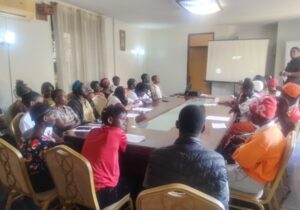
To drive grassroots adoption, CCAT is recruiting and training local youths, women and girls across the target districts to serve as “digital champions.”
”These digital champions will be equipped with smartphones to ensure they sensitize their communities about the technology and its benefits but also they remain our eyes and ears on the ground,” Kizza explained.
Implemented in partnership with the CIVICAS Alliance, Digital Democracy Initiative, Digital Woman and Magamba Network, the CIV-CON project aims to scale its impact across the country. Project leaders expressed optimism that with additional financial backing, the platform can be further upgraded to strengthen democratic governance nationwide.