


KAMPALA UGANDA: 10 November 2026— The Uganda Law Society (ULS) has strongly condemned President Yoweri Kaguta Museveni’s nomination of 13 individuals for appointment as Permanent Secretaries and key administrative heads, declaring the move unconstitutional and an attempt to reduce the Public Service Commission to a mere “rubber stamp”.

In an official statement released on November 9, 2026, titled “Unconstitutional Appointment of Permanent Secretaries: The President Has Bypassed Equality, Transparency, Independence of Constitutional Bodies, and the Separation of Powers,” the lawyers’ body called for an immediate halt to executive directives bypassing legal recruitment procedures.
Breach of Constitutional Procedures
According to the ULS, President Museveni secretively selected candidates and subsequently directed the Public Service Commission to merely “assess their suitability”. The legal body pointed out that Permanent Secretaries are public officers under Article 174(1) of the Constitution—not personal staff of the President. Under Article 174(2) and Article 172(1)(a), the President is required to appoint Permanent Secretaries acting in accordance with the advice of the Public Service Commission.
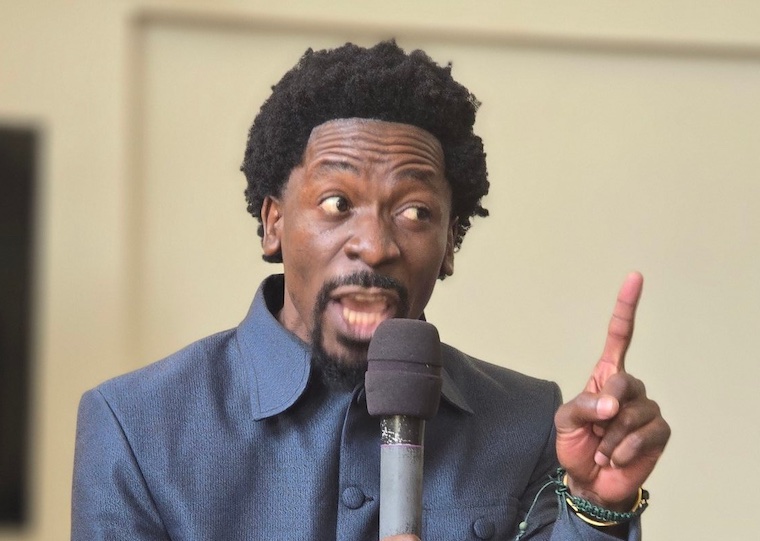
The ULS President Isaac Ssemakadde noted that secret headhunting followed by a pre-selected list presented for formal endorsement circumvents the competitive, transparent processes required by Article 21 (equality before the law) and Article 38 (the right to participate in government affairs), as well as international obligations under the African Charter on Human and Peoples’ Rights and the International Covenant on Civil and Political Rights.
Assault on Independent Constitutional Bodies
The Law Society specifically highlighted three key positions included in the presidential list that are not ordinary Permanent Secretary posts under Article 174, warning that treating them as such constitutes a direct assault on the separation of powers:
Inspectorate of Government (Maureen Kasande): Under Article 227, the Inspectorate is an independent constitutional body responsible solely to Parliament. The ULS argued that placing an executive-appointed nominee as its administrative head subordinates an independent anti-corruption institution to the Executive.
Public Service Commission (Betty Mutesa Cwinya-ai): Under Articles 165 and 166, the Commission is guaranteed independence. The ULS described forcing the Commission to assess a pre-selected nominee for its own Secretary under the Article 174 procedure as “circular, improper, and a clear violation” of constitutional independence.
Clerk to Parliament (Edward Sengonzi Damulira): Under Article 87(1), the Clerk to Parliament must be appointed by the President acting on the advice of the Public Service Commission. Treating the office of the Clerk as an ordinary ministry post under executive direction erodes the independence of the Legislature.
”In all three cases, the President has misapplied Article 174 to offices that are deliberately insulated from ordinary executive control,” the statement reads. “This is not a technical error; it is a systemic expansion of executive dominance over independent constitutional institutions.”
Allegations of State Capture by “Shadow Elites”
Expanding on the broader implications, the ULS warned that this development is not an isolated incident but part of a pattern of “state capture by shadow elites”.
The bar association accused individuals outside the formal constitutional framework—specifically naming Gen. Salim Saleh, Gen. Muhoozi Kainerugaba, and other figures within the President’s close circle—of engaging in informal “vetting” and influence peddling. The ULS emphasized that such practices violate Article 99 of the Constitution, replace institutional accountability with personal loyalty, and hollow out critical state arms including the Public Service, Judiciary, Security Organizations, and Statutory Authorities.
Cumulative Harm and Public Call to Action
The ULS cautioned that selecting accounting officers through connections rather than open competition severely damages public service delivery, wastes public funds, and shuts out qualified professionals who lack political or family links. Over time, this erodes public trust and compromises the Judiciary and Legislature, producing state institutions that serve power rather than the people.
Calling on Ugandans to resist the move, the ULS urged citizens, public servants, civil society organizations, and legal professionals to file constitutional petitions under Article 137 to challenge the process in court. The Law Society affirmed that it stands ready to assist in coordinating public-interest litigation to defend the separation of powers and restore constitutional order.