
















KAMPALA UGANDA: 13, April 2026) — The Uganda Law Society (ULS) has issued a blistering protest against the Judiciary’s decision to hold a mobile High Court session at the Ggaba Community Church grounds, labeling the move a “judicial lynching rally” and a “spectacle” of executive interference.
In an official statement released on April 12 and formally served to the Chief Justice today, the ULS called for the immediate cancellation of the session, which is scheduled to try Christopher Okello Onyum for the April 2nd killings of four toddlers in Ggaba.
”Autocratic Instruction” vs. Judicial Independence
The Society alleges that the decision to move the trial to the scene of the crime was not a judicial determination but rather “autocratic instruction” following direct pressure from the Executive. The ULS pointed to statements made by Principal Judge Jane Frances Abodo on April 7, who reportedly declared that “the President says this case must be handled” and directed the court to “test the mobile court directive” in Ggaba.
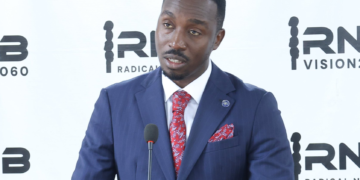
The ULS further criticized Minister of State for Youth and Children Affairs, Hon. Balaam Barugahara, for what they termed “brazen” interference. The Society noted that the Minister publicly pronounced the suspect a “criminal” before his first court appearance and suggested that such suspects deserve “death by shooting at a firing squad”.
”When the Executive chooses the dock and the Judiciary builds it, the defendant is already in chains.”
Constitutional Concerns and Human Rights
The ULS argues that the atmosphere at the Ggaba Community Church—complete with giant screens, live broadcasts, and a “categorization system” for the audience—weaponizes public grief and destroys the presumption of innocence guaranteed by Article 28 of the Constitution and international charters.
Specific concerns raised by the Bar include: Inevitability of Bias: The venue choice, selected for its emotional symbolism, makes an impartial trial impossible.
Compromised Defence: Defence counsel will be forced to operate under the “glare of national outrage” and live cameras, which the ULS suggests is “mob justice disguised in decorum”.
Dangerous Precedent: The Society warned that diluting constitutional safeguards in high-profile cases could soon become the national norm.
Demand for Ordinary Trial
The ULS reminded the Judiciary of the 2002 constitutional petition (ULS v. Attorney General), where the court ruled that even military trials must adhere to standards of independence and impartiality. They contend that a mobile court summoned at presidential command is “structurally incapable” of meeting these standards.
The Society has demanded an emergency meeting with judicial leadership and insists that the trial be relocated to the designated High Court premises in Kampala to ensure strict compliance with the Judicature Act and the Rules of Procedure.
”The victims’ families deserve justice,” the statement concluded. “The rule of law demands it be delivered fairly, impartially, and without theatrical flourish. Anything less is not justice; it is vengeance dressed in judicial robes”.