
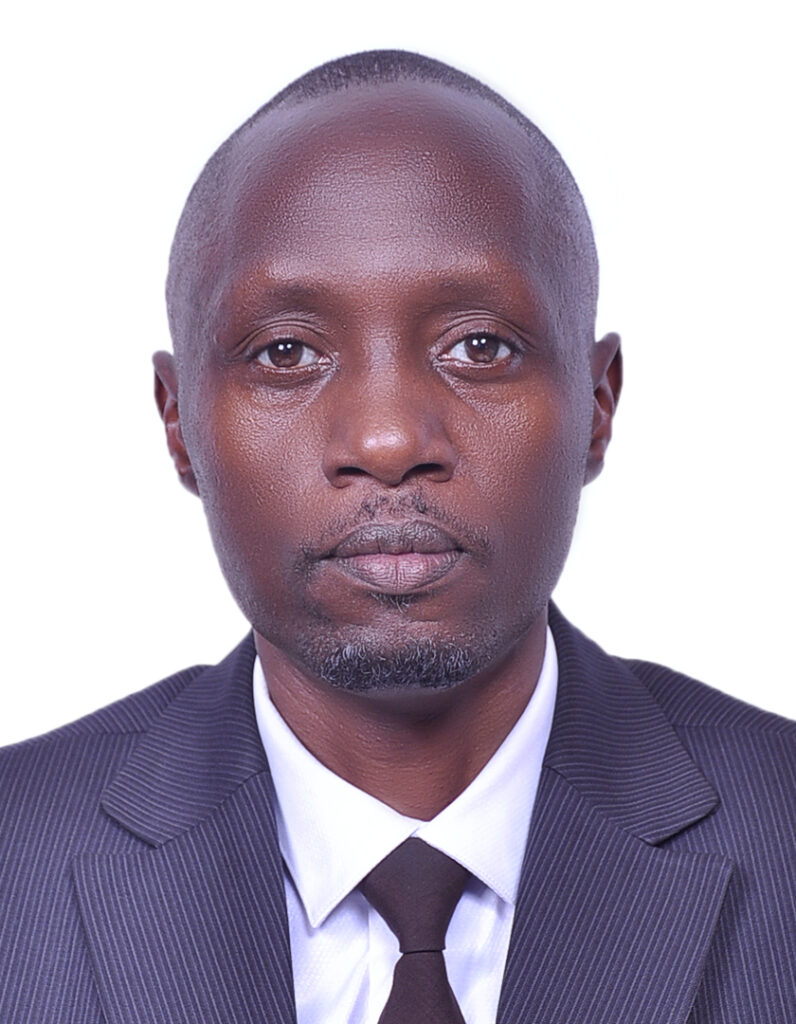
By Tusiime Apollo
KAMPALA UGANDA: 28 APRIL 2026-
In his 1992 book (republished in 2000), What is Africa’s Problem?, President Yoweri Museveni famously argued that the central cause of postcolonial failure in Africa was leadership. The book—a collection of his early writings and speeches—articulates how leadership has failed a continent naturally blessed with vast resources but starved of the quality governance required to manage them.
Museveni’s assertion aligns with a long-standing expert consensus: Africa’s sluggish development is rooted in a leadership deficit. Governance is too often viewed as transactional rather than transformational, with leaders prioritizing self-enrichment, nepotism, and ethnic favoritism over the public good.
The irony is that this “kleptocratic” behavior has flourished despite the early diagnosis. It remains the “elephant in the room” as governments grapple with chronic institutional weakness, systemic corruption, and crumbling infrastructure—all of which stifle public service delivery and economic growth.
This institutional breakdown in African governments—and Uganda in particular—is exactly what Museveni’s diagnosis alluded to, yet it continues to haunt his administration today. Public resources are routinely diverted from essential services like healthcare and education toward non-essential sectors where they are misappropriated. Through bribery, kickbacks, and embezzlement, wealth is siphoned away for private gain.
The Urgent Concern
The primary concern now is not what will happen—the results of neglect are already obvious—but what is being done to reverse the trend. Recent grievances shared by Lady Justice Irene Mulyagonja and former Lands Minister Aidah Nantaba regarding the dire state of Mulago National Referral Hospital serve as a Clarion call: in a failing system, everyone is a potential victim of the leadership deficit.
How Did We Get Here?
It is natural to ask: have we ever had good leaders? The answer is yes. We have had them, and some still exist. However, the tragedy is twofold: capable leaders are either frustrated by “the system” and forced to withdraw, or they are conditioned to assimilate into a culture of corruption simply to survive.
Evidence of the Deficit
If you still doubt the decline, compare the institutional efficiency of Uganda’s past structures with those of today: Independent bodies meant to check power—the judiciary and a free press—have been largely undermined or made beholden to the executive, allowing bad leadership to persist with impunity.
Compare the Resistance Councils (RCs) of 1987 with the modern Local Councils (LCs). Compare the rigor of the 6th Parliament (1996-2001) with the current 11th Parliament. Compare the independence and efficiency of the Judiciary, Police, and Political Parties before the year 2000 to their current state.
The undeniable fact is a downward spiral. The stark gap between the old and current is indisputably huge. Most politicians—including once-vocal opposition figures—have opted for silence or complicity, trading their principles for political survival.
The Quagmire: Who is Nurturing the Future?
Effective leaders are primarily made, not born. They develop through rigorous experience, intentional effort, and learning from challenges. This is where political parties, civil society organizations (CSOs), and educational institutions should step in to nurture the leaders society deserves.
The question is: Who is nurturing Uganda’s future leaders?
With political parties crippled and in “Intensive Care,” educational institutions restricted from political engagement, and CSOs navigating a hostile environment, the pipeline for quality leadership is drying up.
The Sovereignty Bill: The Final Nail?
The introduction of the Sovereignty Bill appears to be the final blow in a campaign to block the cultivation of good leadership. By restricting critical debate on government programs, imposing exorbitant penalties, and choking off funding for academia and CSOs, this bill risks turning a bad situation into a catastrophic one.
The Author is a Senior Journalist and former Secretary General of the Uganda Parliamentary Press Association (UPPA).