
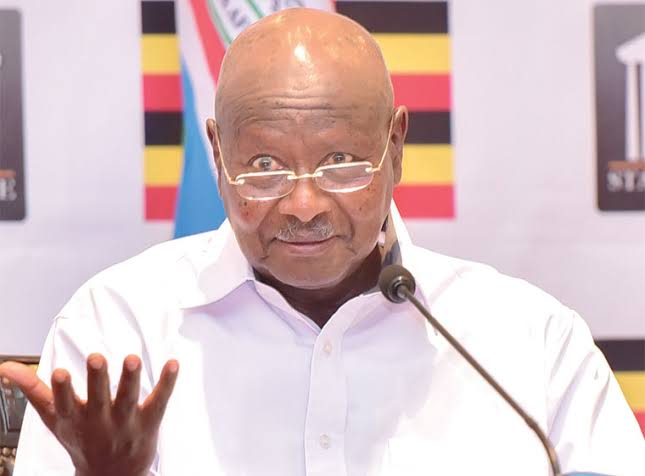
KAMPALA UGANDA: 27 November 2026— President Yoweri Kaguta Museveni has reaffirmed Uganda’s commitment to the International Criminal Court (ICC), even as he criticized what he described as “selective justice” and urged member states to back Ugandan candidate Rosette Muzigo-Morrison for a seat on the Court’s bench.
In a formal statement dated November 15, 2026, addressed to the Assembly of State Parties to the ICC, Museveni clarified Uganda’s position on international criminal justice against the backdrop of a polarized global climate. While maintaining that Uganda abhors impunity and has consistently stood against gross human rights violations, the President expressed disappointment over the perceived misuse of the Court by some member states.
Museveni warned that selective application of the Court’s founding treaty undermines state sovereignty and raises questions about the institution’s relevance.
”We insist that the Rome Statute is a ‘set menu’ and there is no room for ‘à la carte,’ which undermines the sovereignty of States,” Museveni stated. He added that Uganda will remain a State Party while continuing to push for institutional reforms to guarantee equal treatment across all situations.
“Uganda remains alert to manifestations of impunity and gross human rights violations and we have never hesitated to respond decisively to confront impunity and gross abuses of human rights….we believe in justice for all. As a sovereign country, we oppose selective justice. We will remain a State party of the court even as we continue to push for the reforms.” He stated.
Framing Uganda’s engagement as both constructive and long-standing, Museveni highlighted the country’s record with the Court—including making the first state referral under Article 14, hosting the review conference that produced the Kampala Declaration, establishing the International Crimes Division of the High Court in 2010 to domesticate the Rome Statute, and co-facilitating the Cooperation, Complementarity and Gender Crimes Working Group alongside Australia. He also pointed to Uganda’s pilot reparations scheme in the Dominic Ongwen case under the Trust Fund for Victims as a vital model for rebuilding affected communities.
Turning to Uganda’s obligations as a State Party, Museveni made a direct diplomatic appeal for Rosette Muzigo-Morrison, the country’s nominee for the 2026 ICC judicial elections. Emphasizing the duty of member states to put forward qualified, experienced, and competent jurists, the President urged all State Parties to vote for Muzigo-Morrison to join the ICC bench.
Muzigo-Morrison, an international criminal and human rights lawyer with more than 30 years of experience, is seeking election for the 2027–2036 judicial term. Her nomination follows a career spanning international tribunals and the ICC itself, including prior service in the Office of the Prosecutor and pioneering work in witness and victim protection. On November 23, 2026, she also met with Museveni at State House, Entebbe, alongside senior parliamentary, justice, and foreign affairs officials as Uganda stepped up its diplomatic push ahead of the elections.