
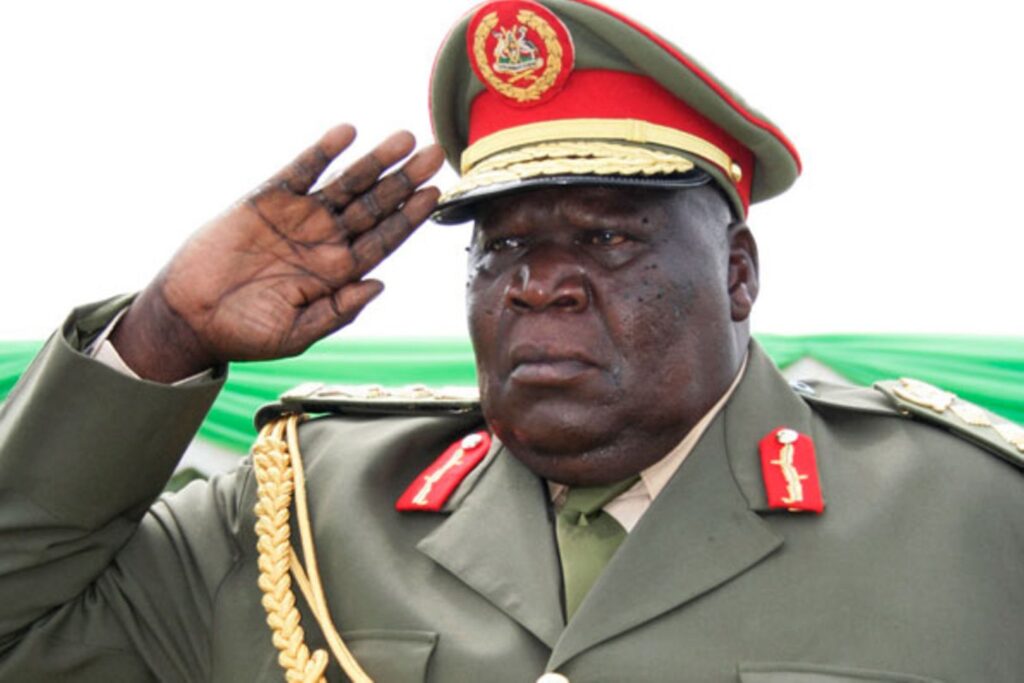
KAMPALA UGANDA: 20 JULY 2026-
Parliament will convene a special sitting on Tuesday, 21 July 2026, at 10:00 a.m. to pay tribute to one of Uganda’s most enduring public figures, Rt. Hon. Gen. (Rtd) Moses Ali, who passed away on Saturday, 18 July 2026, at Nakasero Hospital in Kampala at the age of 87.
In tribute to the fallen General, President Yoweri Kaguta Museveni described Moses Ali as a “brother” whose decades of service as soldier, rebel leader, reconciler, minister, and legislator left an indelible mark on the nation.
Known affectionately as the “Lion of Adjumani,” Ali’s life encapsulated Uganda’s post-independence journey, from military coups and insurgencies to reconciliation, stability, and the long march toward socio-economic transformation. His death marks the closing of a chapter for a man who served under multiple regimes, bridged divides in the West Nile region, and remained a steadfast advocate for his constituents well into his late 80s.
Born on 5 April 1939 in Meliaderi Village, Adjumani District (then part of the Madi area), Moses Ali rose from humble beginnings through education at local Church of Uganda schools before pursuing law and military training.
He earned a Bachelor of Laws from Makerere University (graduating in his 60s), a Diploma in Legal Practice from the Law Development Centre, and advanced military qualifications in Uganda, Israel, and the United Kingdom, including at Camberley Staff College.
His military career began in the late 1960s. He was commissioned as a 2nd Lieutenant and played roles in the 1971 coup that brought Idi Amin to power. Under Amin, he rose to Brigadier and served as Minister of Provincial Administration (Interior) and later Finance.
Following Amin’s fall in 1979, Ali faced exile and later led the Uganda National Rescue Front (UNRF) rebel group in the 1980s. His pragmatic negotiations with President Museveni in 1986 led to the integration of his forces into the national army, earning him reinstatement and eventual promotion to full General in 2012, one of the highest ranks in the Uganda People’s Defence Forces (UPDF).
In politics, Ali’s service was remarkable for its longevity. He was elected to Parliament multiple times, most recently retaining the Adjumani West seat in the 2026 elections at age 86, making him one of the oldest serving MPs.
He held various cabinet portfolios, including Tourism, Wildlife and Antiquities; Internal Affairs; Disaster Preparedness and Refugees; and multiple stints as Deputy Prime Minister (Third, First, and Second). Until the May 2026 cabinet reshuffle, he served as Second Deputy Prime Minister and Deputy Leader of Government Business in Parliament.
Ali championed government programmes such as the Parish Development Model (PDM), Operation Wealth Creation, and youth initiatives in his region. He fostered international partnerships, notably between the Madi sub-region and Sardinia, Italy, for infrastructure and cultural exchanges.
Supporters credit him with promoting peace, national unity, and development in northern Uganda after years of instability.
Uganda’s Constitution (1995, as amended) underpins such tributes and transitions. Article 108 and related provisions outline the roles of the Vice President, Prime Minister, and Deputy Prime Ministers in supporting the President and government business.
Parliament’s Rules of Procedure allow special sittings for matters of national importance, including tributes to departed leaders, reflecting the institution’s role in upholding national values of honour and continuity.
Ali’s career also intersected with reconciliation policies post-Bush War. His integration into the NRM framework exemplified efforts to heal ethnic and political divides, contributing to the relative stability that enabled programmes like PDM, aimed at moving households into the money economy under the National Development Plan framework.
Ali’s story evokes both admiration and reflection. To many in West Nile and beyond, he was a father figure, modern farmer, and tireless mobiliser who brought roads, bridges (such as the long-advocated Laropi project), and services closer to marginalised communities. His late-life legal education underscored a commitment to self-improvement.
Critics, however, have pointed to the challenges of prolonged tenure in public office, including questions about age, health in final years, and broader debates on generational renewal in Ugandan leadership. His recent exclusion from the new cabinet and the appointment of his son, Siraji Musa Ali, as a Minister of State, symbolised both continuity and transition.
Yet, even detractors acknowledge his role in stabilising volatile regions. As one UPDF commander noted, Ali’s peace efforts formed “a foundation for the peace and stability we continue to enjoy today.”
In a nation where public service is often scrutinised through the lens of accountability, guided by the Leadership Code Act, Anti-Corruption Act, and constitutional duties, Ali’s long record invites assessment of both individual contributions and systemic questions about leadership sustainability.