
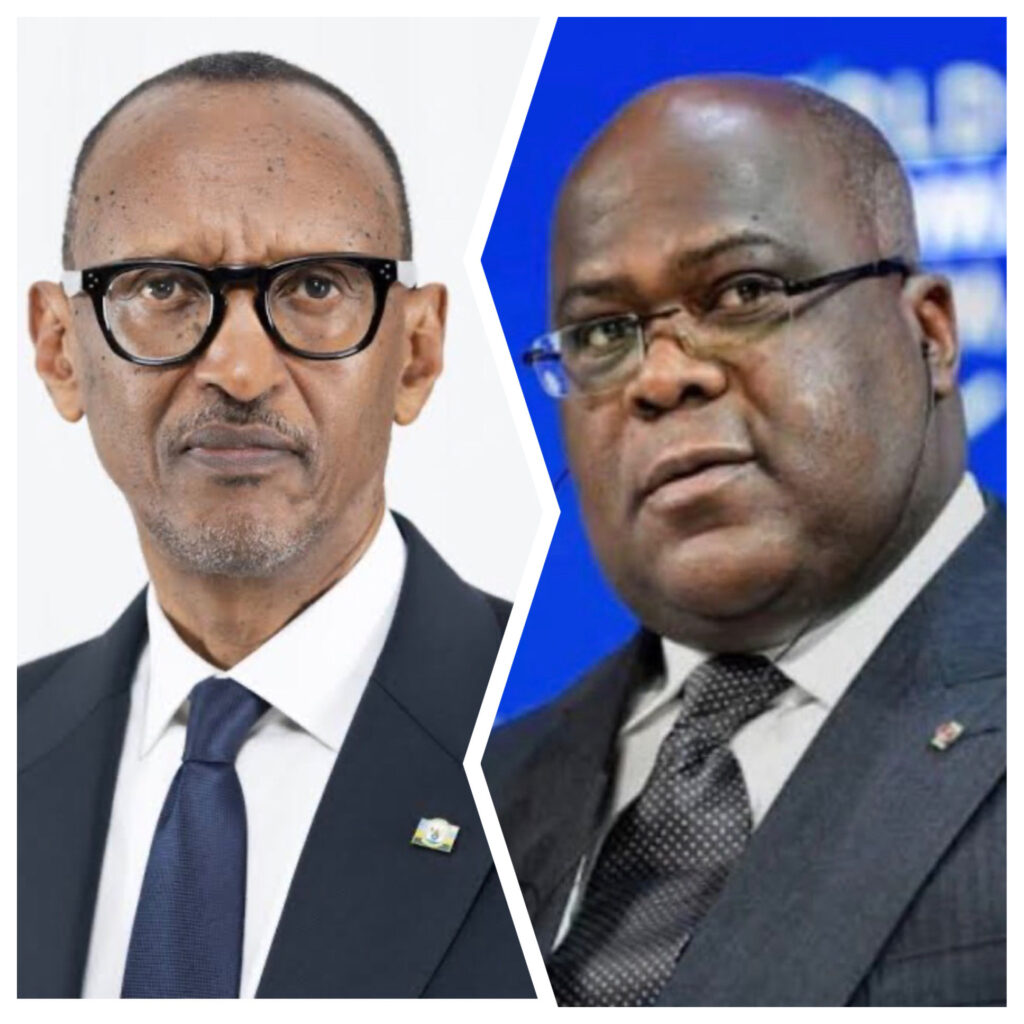
THE HAGUE, SWITZERLAND: 27 June 2026— The Democratic Republic of the Congo (DRC) has launched formal legal proceedings against neighboring Rwanda at the International Court of Justice (ICJ), accusing the country of a decades-long campaign of genocide, mass atrocities, and systematic human rights violations.
According to an official press release issued by the UN’s principal judicial organ, the legal application seeks accountability for what the DRC describes as severe “abuses attributable to Rwanda over a period extending from 1996 to the present day.”
The DRC’s submission outlines a devastating series of military and paramilitary actions concentrated primarily in the volatile eastern border regions of the Congo, tracing back to the collapse of the Mobutu Sese Seko regime in former Zaire.
The DRC’s application explicitly states:
“[T]hese abuses, committed as part of a campaign of genocide and serious, widespread human rights violations waged by the Rwandan authorities in eastern Zaire, and subsequently in eastern Democratic Republic of the Congo, have primarily targeted Hutus present on Zairian, and subsequently Congolese, territory following the genocide against the Tutsi in 1994.”
The Congolese government further specifies that while Hutu populations have been the primary targets, the ongoing violence and systematic campaigns have aggressively directed harm toward multiple other Congolese ethnic groups, explicitly listing the Nyindu, Bembe, Lega, Nande, Hunde, and Bashi communities.
To establish the legal standing of the World Court, the DRC has invoked multiple international treaties and conventions. The legal challenge seeks to ground the ICJ’s jurisdiction firmly on Article 36, paragraph 1, of the Statute of the Court, as well as specific compromissory clauses embedded within crucial global human rights treaties, including:
The Genocide Convention (1948) — Article IX
The International Convention on the Elimination of All Forms of Racial Discrimination (1966) — Article 22
The Convention on the Elimination of All Forms of Discrimination against Women (1979) — Article 29
The Convention against Torture and Other Cruel, Inhuman or Degrading Treatment or Punishment (1984) — Article 30
The filing marks an unprecedented escalation in the longstanding diplomatic and military frictions between Kinshasa and Kigali. For years, the DRC has publicly accused Rwanda of violating its territorial sovereignty and backing rebel proxy groups in its eastern provinces—allegations that Kigali has consistently denied.
By framing the litigation around international conventions signed by both nations, the DRC aims to bypass the jurisdictional hurdles that frequently stall inter-state disputes at The Hague. The ICJ confirmed that the full text of the DRC’s Application instituting proceedings has been made public on the Court’s official website.
The Court, composed of 15 international judges elected by the UN General Assembly and Security Council, is now expected to issue procedural timelines for both states to submit their written memorials. Given the historical scope and gravity of the allegations spanning three decades, legal experts predict a protracted and highly contentious legal battle.